Published on December 8, 2025
Building Stronger Communities: How Civic Organizations Drive Neighborhood Revitalization and Social Impact
A comprehensive look at the vital role fraternal societies and civic organizations play in transforming communities through youth programs, charitable initiatives, and collaborative partnerships.
In an era where community bonds are increasingly tested by rapid social change and economic pressures, civic and social organizations stand as pillars of stability and progress. These institutions, particularly fraternal societies and domestic associations, have long served as catalysts for positive change, bringing together individuals committed to the betterment of their neighborhoods and the empowerment of future generations.
The Columbian Club Inc exemplifies this tradition of service, demonstrating how organized civic engagement can create lasting impact through strategic programs, meaningful partnerships, and unwavering dedication to community welfare. As a non-profit social club rooted in the principles of fraternal societies, the organization has become a cornerstone of local revitalization efforts, proving that collective action remains one of the most powerful tools for social transformation.
The Foundation of Community Revitalization
Neighborhood revitalization extends far beyond physical infrastructure improvements. While renovated buildings and beautified streetscapes certainly contribute to community enhancement, the true foundation of lasting change lies in strengthening social fabric and empowering residents to become active participants in their community's future. Civic and social organizations understand this fundamental truth, approaching revitalization as a holistic endeavor that addresses economic, social, and cultural dimensions simultaneously.
Fraternal societies bring unique advantages to revitalization efforts. Their organizational structure, built on principles of mutual support and collective responsibility, creates natural networks of engaged citizens ready to mobilize for community benefit. These networks transcend traditional demographic boundaries, bringing together individuals from diverse backgrounds united by shared values and commitment to service. This diversity of perspective and experience proves invaluable when addressing complex community challenges that require multifaceted solutions.
The Columbian Club's approach to neighborhood revitalization reflects this comprehensive understanding. Rather than focusing solely on isolated projects, the organization has developed an integrated strategy that addresses multiple community needs simultaneously. This includes supporting local businesses through patronage and promotion, organizing neighborhood cleanup and beautification initiatives, facilitating community gatherings that strengthen social bonds, and advocating for policies that benefit residents. Each initiative reinforces the others, creating synergistic effects that amplify overall impact.
Economic revitalization represents a critical component of this work. Civic organizations like the Columbian Club recognize that sustainable community improvement requires economic opportunity and stability. Through partnerships with local businesses, workforce development programs, and support for entrepreneurship, these organizations help create pathways to prosperity that keep talented individuals invested in their communities. This economic foundation enables other revitalization efforts to take root and flourish, creating a virtuous cycle of improvement and growth.
Investing in Youth: Scholarship Programs and Educational Support
Perhaps no investment yields greater long-term community benefit than supporting youth education and development. Recognizing this truth, the Columbian Club has made youth programs a cornerstone of its civic mission, with scholarship initiatives serving as a flagship effort. These programs do more than provide financial assistance; they send a powerful message to young people that their community believes in their potential and is willing to invest in their success.
The scholarship program administered by the Columbian Club reflects careful consideration of community needs and opportunities. Rather than adopting a one-size-fits-all approach, the program offers multiple scholarship categories designed to support students at different educational stages and pursuing diverse career paths. High school seniors receive support for college or vocational training, while continuing education scholarships assist adult learners seeking to advance their careers or change professional directions. This comprehensive approach ensures that educational support reaches community members across the lifespan.
Selection criteria for these scholarships emphasize not only academic achievement but also community involvement and leadership potential. This holistic evaluation process identifies students who demonstrate the values central to fraternal societies: service to others, personal integrity, and commitment to community betterment. By supporting these individuals, the Columbian Club invests in future community leaders who will carry forward the tradition of civic engagement and social responsibility.
Beyond financial assistance, scholarship recipients gain access to mentorship opportunities and professional networking that prove equally valuable. Club members, many of whom are established professionals and business leaders, volunteer their time to guide scholarship recipients through educational challenges and career planning. These relationships often extend well beyond the scholarship period, creating lasting connections that benefit both mentors and mentees. For young people, these relationships provide invaluable guidance and support; for mentors, they offer opportunities to give back and stay connected to emerging generations.
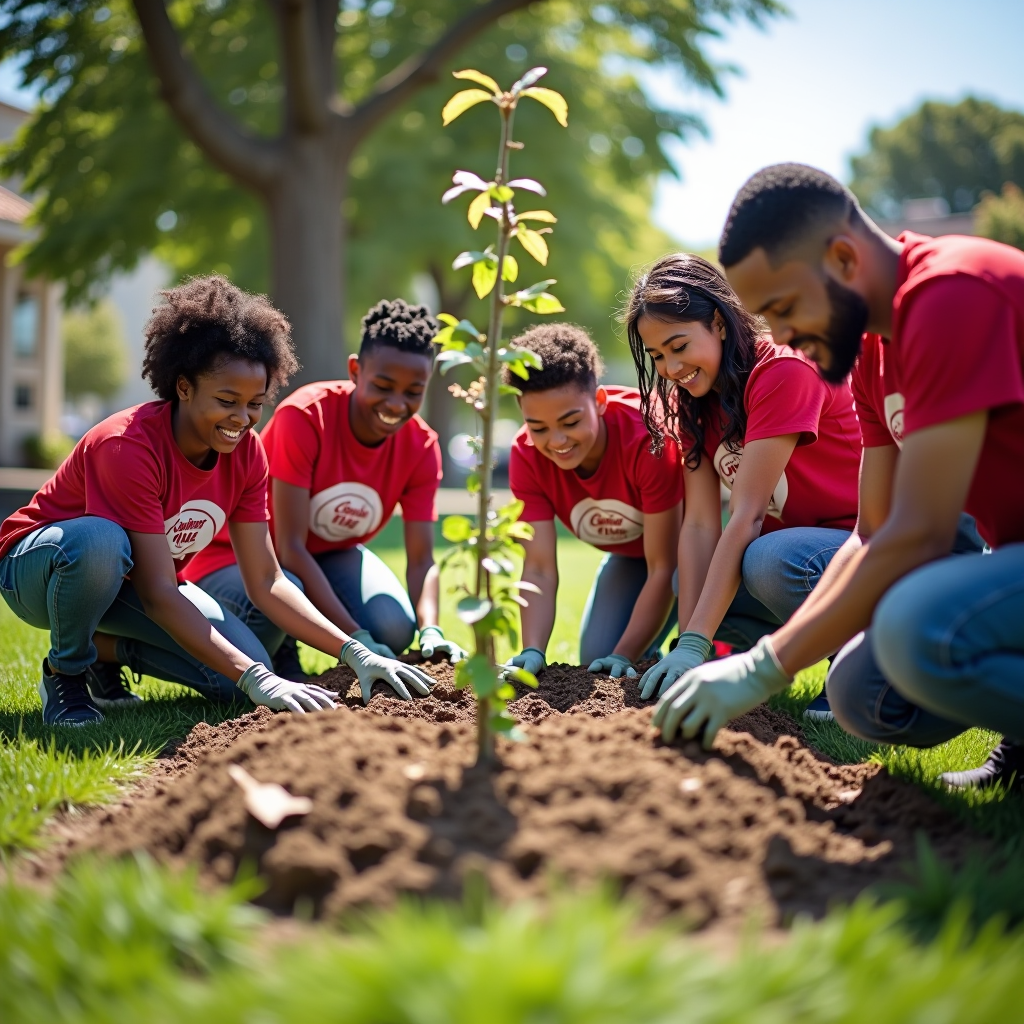
Columbian Club volunteers collaborating on a neighborhood beautification project, exemplifying the organization's commitment to hands-on community service.
Strategic Partnerships with Local Nonprofits
The complexity of modern social challenges demands collaborative approaches that leverage the strengths of multiple organizations. The Columbian Club has embraced this reality, developing strategic partnerships with local nonprofits that amplify the impact of all involved organizations. These partnerships represent more than simple cooperation; they reflect a sophisticated understanding of how different organizations can complement each other's capabilities to achieve shared goals more effectively than any single entity could accomplish alone.
Partnership selection follows a deliberate process that considers organizational mission alignment, community need, and potential for meaningful impact. The Columbian Club prioritizes relationships with nonprofits addressing critical community issues such as food insecurity, housing stability, youth development, and senior services. By focusing partnership efforts on these fundamental needs, the organization ensures that its resources contribute to addressing root causes of community challenges rather than merely treating symptoms.
One particularly successful partnership involves collaboration with a local food bank serving families experiencing economic hardship. The Columbian Club contributes both financial resources and volunteer labor, with members organizing regular food drives and staffing distribution events. This partnership exemplifies how civic organizations can provide crucial support to specialized nonprofits, enabling them to expand their reach and enhance their services. The relationship has evolved beyond simple resource sharing to include joint program development and coordinated outreach efforts that ensure services reach those most in need.
Another significant partnership focuses on youth mentoring and after-school programming. Recognizing that many young people lack positive adult role models and safe, enriching environments outside school hours, the Columbian Club partnered with a youth development organization to expand mentoring capacity and program offerings. Club members serve as mentors, tutors, and activity leaders, bringing diverse professional experiences and life perspectives to young participants. This partnership addresses a critical gap in community services while providing club members with meaningful volunteer opportunities that align with the organization's values.
Charitable Initiatives: From Concept to Community Impact
The charitable work of civic and social organizations extends across a remarkable range of activities, each designed to address specific community needs while reinforcing the organization's broader mission. For the Columbian Club, charitable initiatives represent the practical expression of fraternal values, transforming abstract principles of mutual aid and community service into concrete actions that improve lives and strengthen neighborhoods.
Annual fundraising events serve as major charitable initiatives, bringing together club members, community partners, and supporters for celebrations that generate significant resources for community programs. These events, carefully planned and executed by volunteer committees, demonstrate the organizational capacity and dedication that characterize successful fraternal societies. A recent charity gala, for example, raised substantial funds distributed among multiple local nonprofits, with proceeds supporting everything from emergency assistance programs to arts education initiatives. The event also strengthened community bonds, bringing together diverse stakeholders in celebration of shared commitment to community welfare.
Direct service projects represent another crucial dimension of charitable work. Throughout the year, Columbian Club members engage in hands-on volunteer activities that address immediate community needs. These projects range from home repairs for elderly residents and veterans to park cleanups and community garden development. Each project provides tangible benefits while fostering the sense of collective purpose and camaraderie that defines fraternal organizations. Members consistently report that these direct service opportunities represent some of their most meaningful and rewarding club experiences.
Emergency assistance programs demonstrate the responsive nature of effective charitable work. When community members face unexpected crises—whether natural disasters, medical emergencies, or economic hardships—the Columbian Club mobilizes quickly to provide support. This might include financial assistance, temporary housing coordination, or connection to appropriate social services. The organization's established networks and resources enable rapid response that can make crucial differences during times of acute need. These interventions embody the mutual aid principles central to fraternal societies, demonstrating that members stand ready to support one another and their broader community during challenging times.
Measuring Impact and Ensuring Accountability
Effective civic organizations recognize the importance of measuring their impact and maintaining accountability to members and the broader community. The Columbian Club has implemented comprehensive evaluation systems that track program outcomes, assess community needs, and ensure resources are deployed effectively. This commitment to measurement and accountability reflects both sound organizational management and respect for the trust placed in the organization by donors, volunteers, and community partners.
Scholarship program evaluation provides a clear example of this approach. The organization tracks not only the number of scholarships awarded and total funds distributed but also recipient outcomes including graduation rates, career placement, and continued community involvement. This longitudinal tracking reveals the program's long-term impact and helps identify areas for improvement. Recent data shows that scholarship recipients graduate at rates significantly higher than average and demonstrate strong patterns of civic engagement, validating the program's selection criteria and support structures.
Partnership effectiveness receives similar scrutiny. The Columbian Club regularly assesses its nonprofit partnerships, examining factors such as resource utilization, program reach, and community feedback. These evaluations inform decisions about partnership continuation and evolution, ensuring that collaborative efforts remain aligned with community needs and organizational capacity. When assessments reveal opportunities for improvement, the organization works collaboratively with partners to implement necessary changes, maintaining the flexibility and responsiveness essential for effective community work.
Transparency in reporting represents another crucial accountability mechanism. The Columbian Club publishes annual reports detailing its activities, financial performance, and community impact. These reports, distributed to members and made available to the public, provide comprehensive overviews of organizational work while demonstrating responsible stewardship of resources. This transparency builds trust with stakeholders and reinforces the organization's commitment to operating with integrity and openness.
The Future of Civic Engagement and Community Building
As communities face evolving challenges and opportunities, civic and social organizations must adapt while remaining true to their core values and mission. The Columbian Club approaches this balance thoughtfully, embracing innovation in program delivery and community engagement while maintaining the principles of service, fellowship, and mutual support that have guided fraternal societies for generations. This adaptive approach positions the organization to remain relevant and effective in addressing contemporary community needs.
Technology integration represents one area of ongoing evolution. While personal connection and face-to-face interaction remain central to the organization's work, digital tools enable enhanced communication, broader outreach, and more efficient program administration. The Columbian Club has developed online platforms for scholarship applications, volunteer coordination, and member engagement, making participation more accessible while maintaining the personal touch that characterizes fraternal organizations. These technological enhancements complement rather than replace traditional engagement methods, creating hybrid approaches that serve diverse member and community preferences.
Demographic shifts present both challenges and opportunities for civic organizations. As communities become more diverse, organizations must ensure their programs and membership reflect this diversity. The Columbian Club has undertaken deliberate efforts to broaden its membership base and ensure its programs serve all community segments equitably. This includes targeted outreach to underrepresented groups, culturally responsive program design, and leadership development initiatives that cultivate diverse organizational leadership. These efforts strengthen the organization while ensuring it remains representative of and responsive to the community it serves.
Sustainability planning ensures the organization's long-term viability and impact. The Columbian Club has developed comprehensive strategies addressing financial sustainability, leadership succession, and program evolution. Endowment building provides stable funding for core programs like scholarships, while planned giving initiatives enable members to support the organization's mission beyond their active membership years. Leadership development programs identify and prepare emerging leaders, ensuring continuity of organizational vision and effectiveness across generations.
"The strength of any community lies not in its buildings or infrastructure, but in the commitment of its citizens to support one another and work collectively toward shared goals. Civic organizations like the Columbian Club embody this truth, transforming individual goodwill into organized action that creates lasting positive change."
Conclusion: The Enduring Value of Organized Civic Action
The work of civic and social organizations like the Columbian Club demonstrates the enduring power of organized community action. Through scholarship programs that invest in youth potential, partnerships that amplify nonprofit effectiveness, and charitable initiatives that address immediate needs, these organizations create ripple effects that extend far beyond individual programs or projects. They strengthen social fabric, build community capacity, and cultivate the civic engagement essential for healthy, thriving neighborhoods.
The fraternal society model, with its emphasis on mutual support, collective responsibility, and service to others, provides a proven framework for effective civic engagement. As demonstrated by the Columbian Club's comprehensive approach to community building, this model remains remarkably relevant in addressing contemporary challenges. The organization's success stems from its ability to honor traditional values while embracing innovation, maintain high standards while remaining accessible, and think strategically while acting compassionately.
Looking forward, the need for strong civic organizations will only grow as communities navigate complex social, economic, and environmental challenges. Organizations like the Columbian Club, grounded in principles of service and committed to continuous improvement, will play crucial roles in building resilient communities capable of adapting to change while maintaining the social cohesion and mutual support that enable collective flourishing. Their work reminds us that community strength emerges not from individual achievement but from our willingness to come together, support one another, and work toward shared visions of community wellbeing.
The story of the Columbian Club's community impact is ultimately a story about people—individuals who choose to invest their time, resources, and talents in making their community better. It is a story that continues to unfold through every scholarship awarded, every partnership forged, every volunteer hour contributed, and every life touched by organized civic action. In this ongoing narrative of service and community building, we find both inspiration for the present and hope for the future.